


Vietnamese Football and the Ambition to Reach New Horizons
From titles on the Southeast Asian stage to historic milestones on the world stage, Vietnamese football is steadily strengthening its position. The achievements of the past five years reflect the efforts of the Vietnam Football Federation (VFF) to develop youth football, expand international cooperation and build a solid foundation for achieving greater ambitions.
Achievements Across the National Teams
Over the past five years, Vietnamese football has achieved a number of notable milestones. The Vietnam women’s national team made its debut at the FIFA Women’s World Cup in 2023, while the men’s U23 team won the ASEAN U23 Championship for three consecutive editions in 2022, 2023 and 2025. Meanwhile, Vietnam’s national teams have continued to compete effectively at the SEA Games and in international competitions, reflecting progress across various levels of the game.
Notably, during the 2025–2026 period, all eight Vietnamese national teams qualified for their respective AFC Asian Cup finals: the men’s and women’s national teams, the men’s and women’s futsal teams, the men’s U23 team, the women’s U20 team, and the men’s and women’s U17 teams. This achievement demonstrates that Vietnamese football is not only focused on the senior national teams but is also steadily improving its quality across multiple age groups and formats of the game.
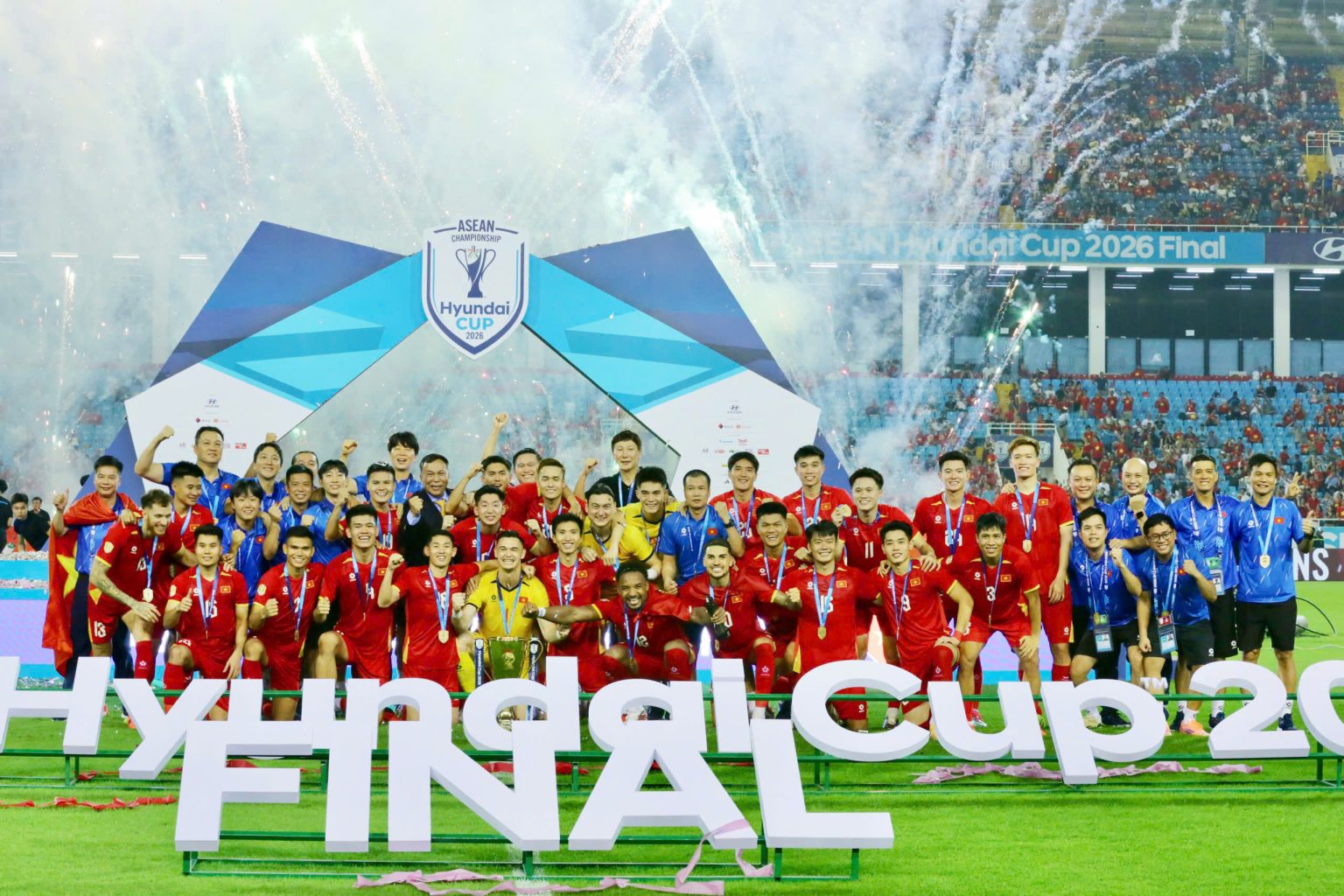
At the 2025 SEA Games 33, Vietnamese football continued to demonstrate its competitiveness, with the men’s U22 team winning the gold medal, the women’s national team securing silver, and the women’s futsal team claiming gold. These achievements across multiple competitions reflect the development of different squads and highlight the potential of women’s football and futsal within Vietnam’s football system.
A major milestone was the Vietnam women’s national team’s qualification for the FIFA Women’s World Cup 2023. Although they faced some of the world’s leading teams, their first-ever appearance at the finals provided invaluable experience, helping the players gain international exposure and broaden their understanding of elite-level football. This milestone also served as a further impetus to invest in women’s football, from youth development to improving performance in international competitions.
At youth level, the men’s U17 team’s qualification for the FIFA U17 World Cup 2026 has raised hopes for a promising new generation of players. Major international tournaments provide an essential platform for young players to gain experience, develop their tactical understanding and physical conditioning, and adapt to the demands of high-intensity competition.
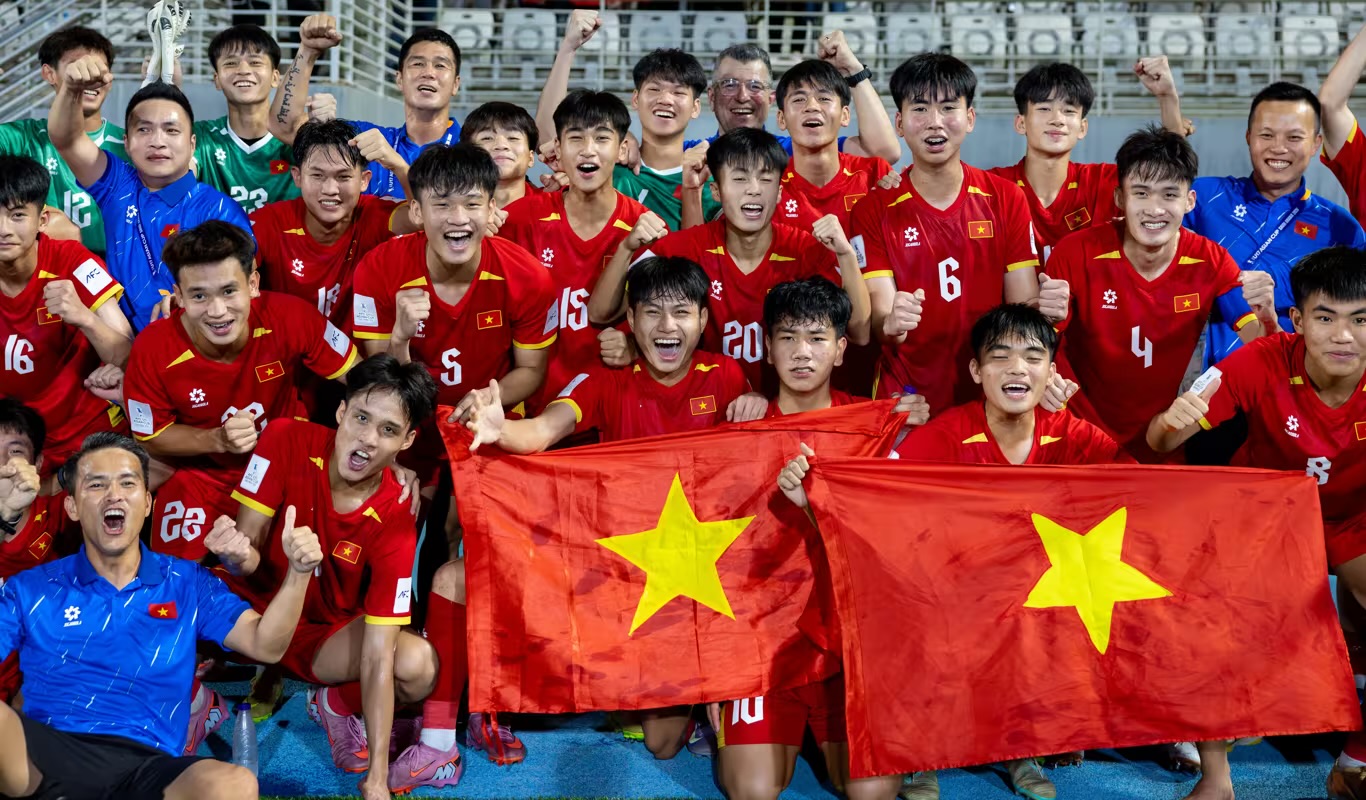
These achievements demonstrate that the VFF’s football development strategy is gradually expanding beyond short-term results towards building a strong pipeline of future talent. Talent identification, youth development, improving coaching standards and providing more opportunities for international competition are crucial to sustaining success across generations.
However, achievements at youth level can only be sustained when players receive regular playing time at club level, follow clear development pathways and are equipped to progress to the senior national team. Vietnamese football still needs to improve the quality of its domestic competitions, players’ physical conditioning, speed, decision-making and consistency when facing Asia’s leading teams.
Therefore, regional titles should be regarded as a foundation for pursuing higher ambitions. To close the gap with more developed football nations, Vietnam must maintain long-term investment, enhance the quality of player development and build a competitive environment capable of producing players who can perform at international level.
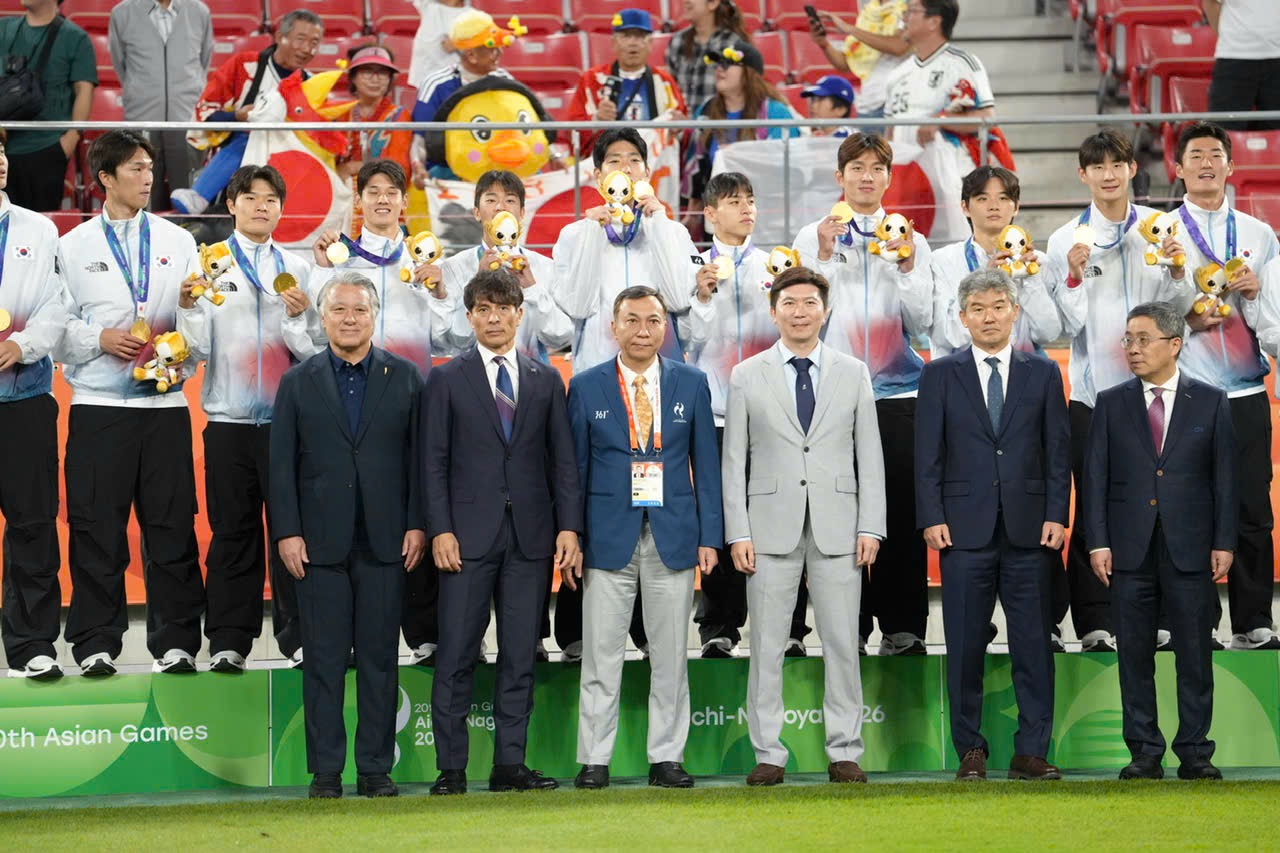
VFF President Tran Quoc Tuan (third from left) currently holds several key positions within the international football governance structure. Photo: H. Linh
International Relations Paving the Way for Greater Progress
Alongside achievements on the pitch, the VFF’s international relations activities during its ninth term have also recorded notable milestones. VFF President Tran Quoc Tuan holds several important positions within international football governance, including AFC Executive Committee Member, Chairperson of the AFC Competitions Committee, and Member of the FIFA Competitions Committee for the 2025–2029 term.
Notably, Mr Tran Quoc Tuan was once again entrusted by the AFC with overseeing the men’s football competition at the 2026 Asian Games. According to the review of the ninth-term activities, this marked the third time he had taken on a leadership role in football at the Asian Games, following the 2014 and 2023 editions.
These positions not only enhance Vietnam’s representation within international football organisations but also create opportunities to gain valuable experience in governance, competition organisation and technical development. They also enable Vietnamese football to expand partnerships, contribute its perspectives and gradually deepen its integration into Asian and world football.
Another notable milestone was the visit to Vietnam by FIFA President Gianni Infantino in August 2026. During his visit, he attended the ASEAN Cup final, visited the PVF Football Academy – Ministry of Public Security, and inspected the PVF stadium project in Hung Yen, which is planned to have a capacity of approximately 60,000 seats.
The visit provided an opportunity to showcase the progress of Vietnamese football, from youth development and infrastructure to long-term investment strategies. More importantly, international engagements of this kind can create further opportunities for cooperation, access to management expertise, modern coaching methodologies and football development programmes.
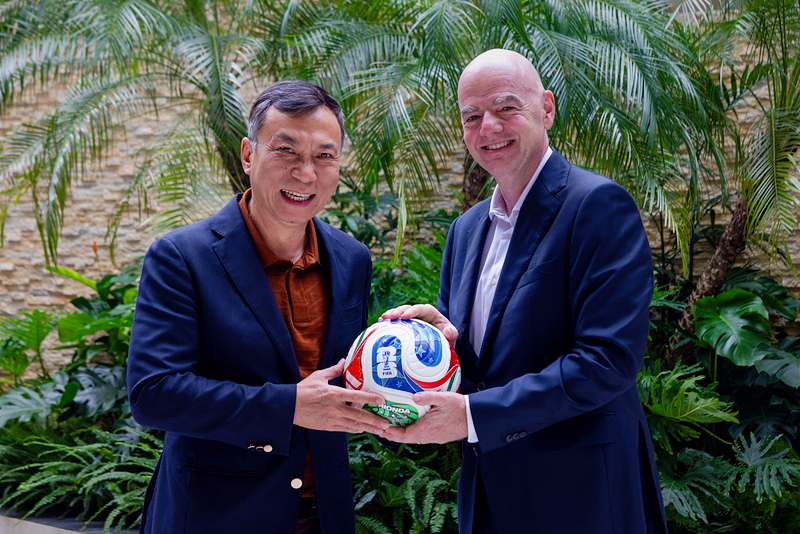
FIFA President Gianni Infantino and VFF President Tran Quoc Tuan
Nevertheless, Vietnam’s international standing can only be strengthened if it translates into tangible results. Hosting major tournaments requires stadiums, facilities, personnel and organisational capabilities that meet international standards. The VFF therefore needs to continue proactively building partnerships with leading football associations, increasing international friendly matches, promoting technical exchanges and creating opportunities for young players to gain exposure to high-quality football environments.
Alongside international relations, the key priority remains improving the quality of domestic football. Coordination between the VFF, clubs, training centres and competition systems needs to be strengthened to ensure a continuous player development pathway, from youth training to the national teams.
Looking back over the past five years, regional titles, the historic milestone achieved by women’s football, progress across youth national teams and Vietnam’s increasingly prominent presence in international football organisations have laid an important foundation for the future of Vietnamese football. These achievements reflect the collective efforts of players, coaches and clubs, as well as the VFF’s strategic direction for the game’s development.
The road ahead remains challenging, but with a long-term strategy, systematic investment in youth football and proactive international engagement, Vietnamese football is well positioned to pursue greater ambitions. Building on its established standing in Southeast Asia, the ambition to reach a higher level in Asian football and gradually establish a stronger presence on the world stage will continue to drive innovation and sustainable development across Vietnamese football.

