


VFF’s 9th Term: The collective strength of an entire system
During the ninth term of the Vietnam Football Federation (VFF), eight national teams qualified for the final rounds of Asian competitions scheduled for 2025–2027. This is a rare achievement among Asian football associations, demonstrating the seamless coordination and collective strength of the entire football system.
A Historic Period for Vietnamese Football
The eight teams that qualified for the Asian finals represent a broad spectrum of Vietnamese football, spanning the men’s and women’s national teams, the men’s and women’s futsal teams, the men’s U23 team, the women’s U20 team, and the men’s and women’s U17 teams. Eight teams, multiple age groups and different squads, yet all pursuing the same goal: competing on the continental stage. A strong team can emerge from a talented generation, but when multiple teams achieve international qualification within the same period, the bigger picture lies in the overall system of player development, competition organisation, talent identification and squad preparation.
Equally noteworthy is the quality of the qualifying campaigns themselves. Vietnam’s U17 men’s team won all five matches, scoring 30 goals without conceding. The U23 men’s team also completed their qualifying campaign unbeaten, keeping a clean sheet throughout. The campaigns of the U20 women’s and U17 women’s teams likewise demonstrated effective defensive organisation, while the senior women’s national team continued to maintain its presence among Asia’s top sides. These figures show that qualification for the finals was not simply a matter of luck in a handful of matches, but the result of a comprehensive process involving technical preparation, player selection, playing style development and the organisation of national team training camps.
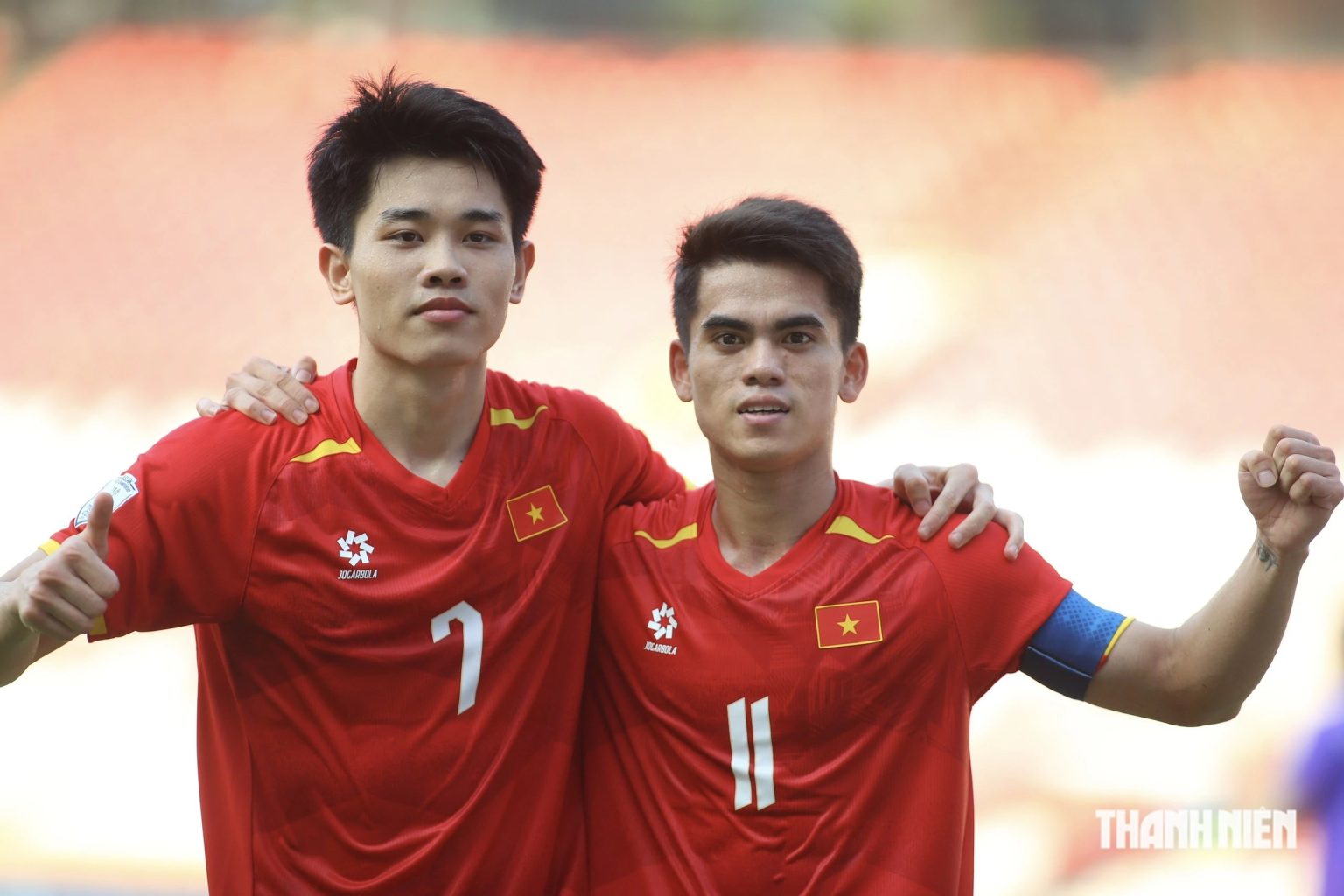
Dinh Bac and Van Khang have become key players for the Vietnam national team. Photo: Dong Nguyen Khang
From developing competition plans and coordinating with clubs to preparing squads and ensuring suitable training conditions, both the Vietnam Football Federation (VFF) and the coaching staff play important roles in the final outcome. Vietnamese football has witnessed many outstanding generations that achieved memorable successes. However, the greatest lesson in football development is not to wait for the next golden generation to emerge naturally, but to build an environment in which talent can be continually identified and nurtured.
The success of the U17, U20 and U23 teams, alongside the senior national teams, during the same period creates an opportunity for a more consistent pathway of progression. A U17 player today could become a key member of the U20 team in a few years, while a U23 player who has developed through regional competitions could step up to the senior national team with greater experience and composure. This progression depends on young talents receiving regular playing time, systematic training and exposure to sufficiently competitive environments. Dinh Bac and Van Khang are clear examples of this pathway. Both players continued to develop through the U20 and U23 levels before establishing themselves as regular members of the Vietnam national team.
The Ambition to Compete
During its ninth term, the VFF continued to implement coaching education programmes and youth football development initiatives, work with FIFA and the Asian Football Confederation (AFC) on talent identification, and maintain youth competitions across multiple age groups. These activities may not directly score goals or secure victories, but they create the conditions for national teams to compete more effectively. They also deserve emphasis when assessing a football association’s management capabilities: the task is not merely to organise a successful tournament or appoint the right coach, but to build a system capable of supporting multiple teams over many years, each with different objectives.
Nevertheless, two concepts must be clearly distinguished: qualifying for a major competition and being capable of challenging for the title. Vietnam’s teams have overcome numerous opponents in qualifying campaigns, but the gap between them and Asia’s leading football nations remains a major challenge. To make further progress, Vietnamese football must continue to improve player quality, expand opportunities for international competition, invest in sports science and raise the standard of domestic leagues. These will also be the benchmarks for the VFF’s next term. A developing football nation cannot be content with regularly qualifying for Asian competitions; the longer-term ambition must be to compete on equal terms with the continent’s strongest opponents.
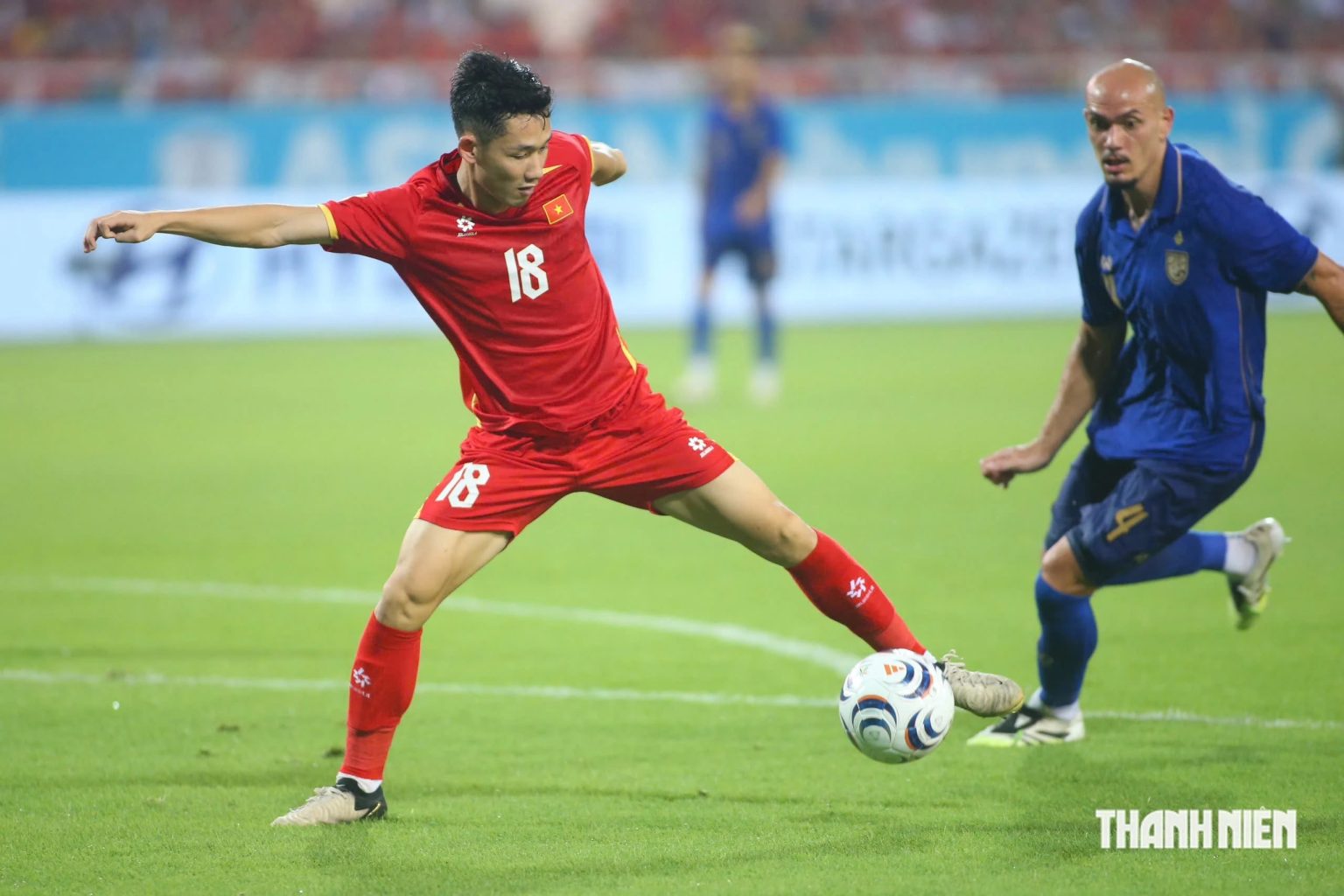
The eight qualification spots may represent just a single line in the review of the VFF’s ninth-term achievements. Their greater significance, however, lies in the message they convey: Vietnamese football is striving to develop through the collective strength of multiple teams, generations of players and an entire system, rather than relying solely on the brilliance of a few stars. Sustained participation in Asian finals across successive editions will ultimately be the most important measure of the long-term sustainability of this development process.

