

The first Football Sports Medicine and Anti-Doping course 2026 held in Hanoi
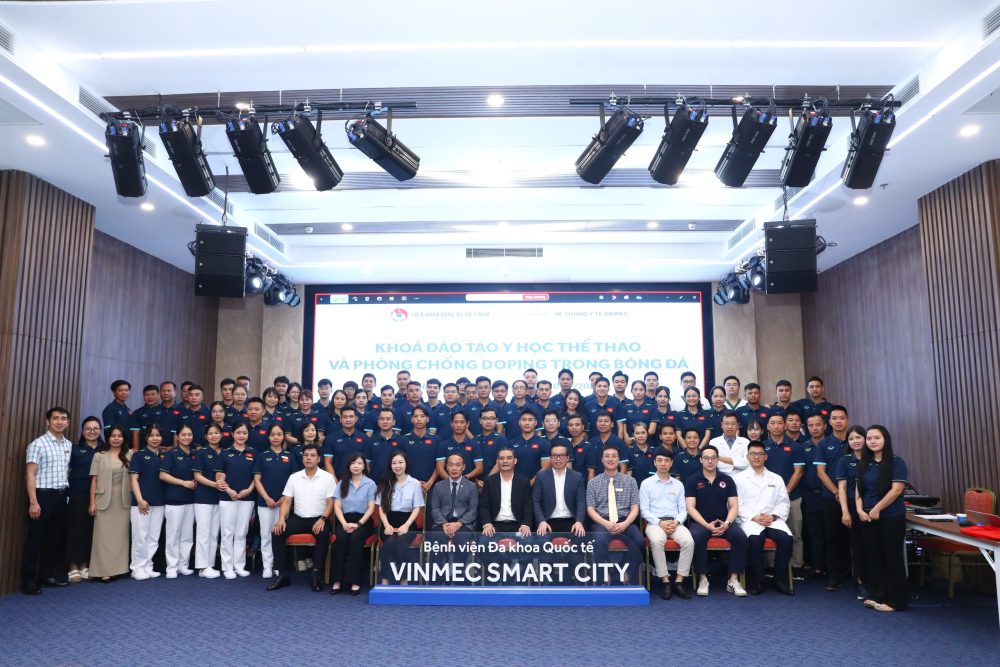
From 30 June to 1 July 2026, at Vinmec Smart City Hospital in Hanoi, the Vietnam Football Federation (VFF), in collaboration with doctors from the Vinmec Healthcare System, organized the First Football Sports Medicine and Anti-Doping Course 2026. The course was designed for medical personnel from Vietnam’s national teams, professional football clubs, and football training academies across the country.
 03/07/2026 11:18:06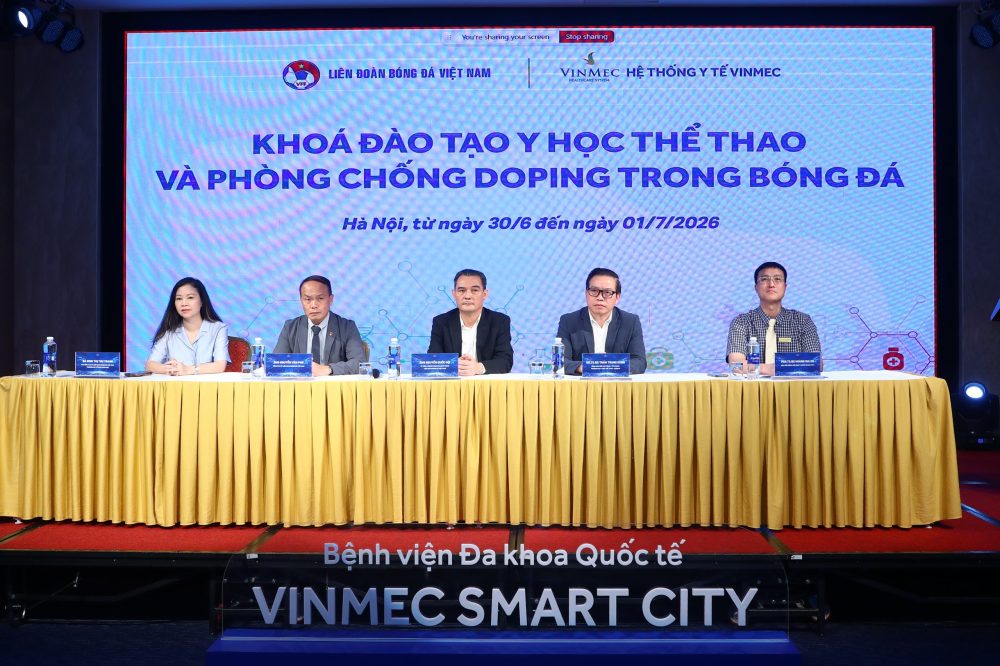
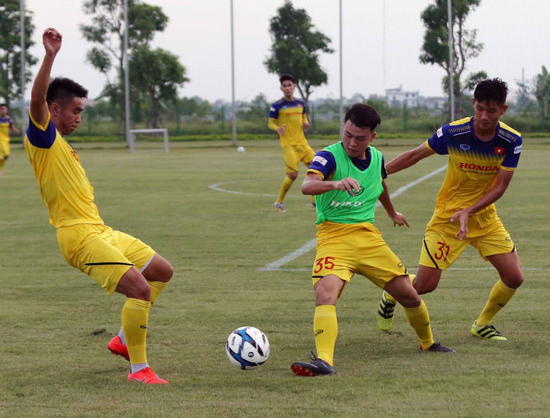
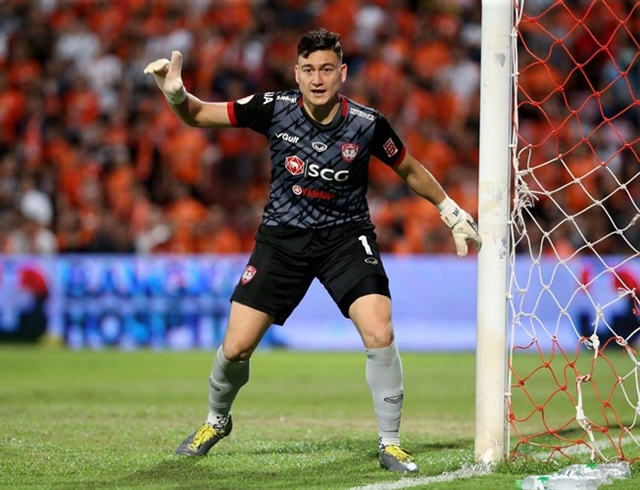
Specialized training in Sports Medicine and Anti-Doping has become a mandatory requirement for medical staff responsible for the healthcare of players at Vietnam’s professional football clubs. In recent years, the Vietnam Football Federation (VFF) has organized this annual course as part of its efforts to enhance medical standards across Vietnamese football.
The opening ceremony was attended by VFF Standing Committee Member Mr. Nguyen Quoc Hoi; Prof. Dr. Tran Trung Dung, Chief Executive Officer of the Vinmec Healthcare System and Head of the VFF Sports Medicine Committee; Mr. Nguyen Van Phu, VFF General Secretary; Ms. Dinh Thi Thu Trang, VFF Deputy General Secretary and Head of the Organizing Committee; Mr. Hoang Gia Du, Director of Vinmec Smart City Hospital; and Dr. Nguyen Trong Hien, Member of the VFF Medical Committee.
The course was delivered by a team of leading medical experts from the Vinmec Healthcare System, including Prof. Dr. Vu Tu Nam, Dr. To Dong Kha, Dr. Tran Huu Dat, Dr. Ho Ngoc Minh, Dr. Ta Van Thanh Nam, M.Sc. Nguyen Quyet Thang, and Dr. Phan Ba Quynh, together with Dr. Vu Trong Hai from the Vietnam Anti-Doping Center.
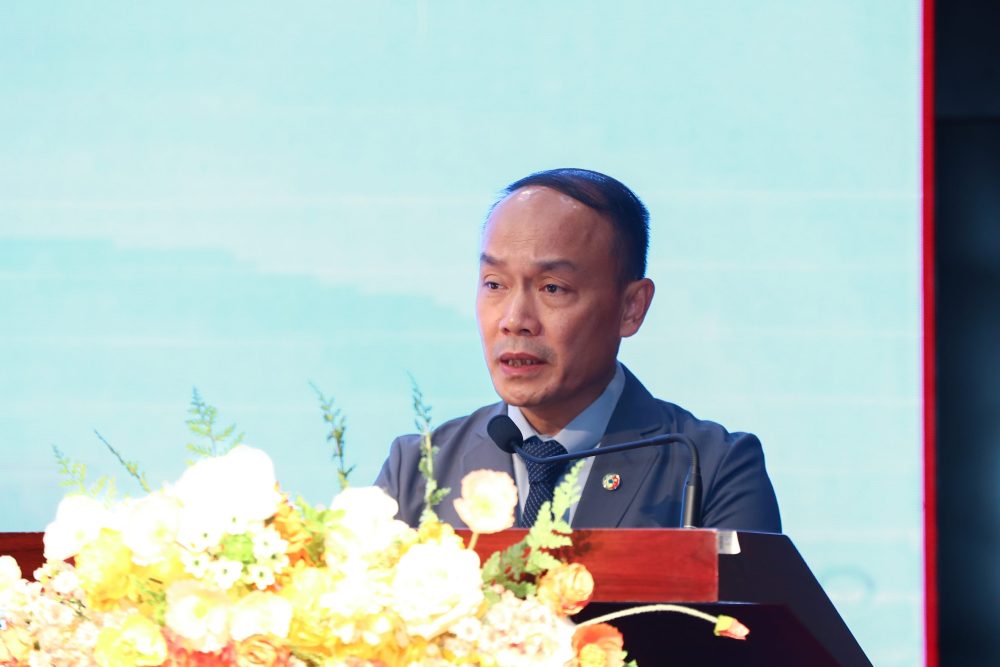
On behalf of the VFF and the Organizing Committee, Mr. Nguyen Van Phu, VFF General Secretary, officially declared the opening of the course. He emphasized that the program, now being held for the fourth consecutive edition as an annual initiative, reflects the strong and sustained cooperation between the VFF, medical institutions, and football doctors in advancing the standards of sports medicine in Vietnamese football.
Mr. Nguyen Van Phu highlighted that investment in sports medicine and sports science is a strategic priority for the VFF, playing a vital role in safeguarding players’ health, improving physical performance, and supporting athletes in achieving their best on the field. With the new professional football season approaching, he noted that the course provides medical personnel with the latest knowledge and practices in injury treatment, rehabilitation, and anti-doping, enabling them to better meet the practical demands of clubs and national teams.
The VFF representative also expressed his appreciation to Vinmec International General Hospital, the course lecturers, partner organizations, and football clubs for their continued support. He expressed confidence that the updated knowledge and expertise shared during the course would further strengthen the professional capacity of football medical staff and contribute to the sustainable development of Vietnamese football.
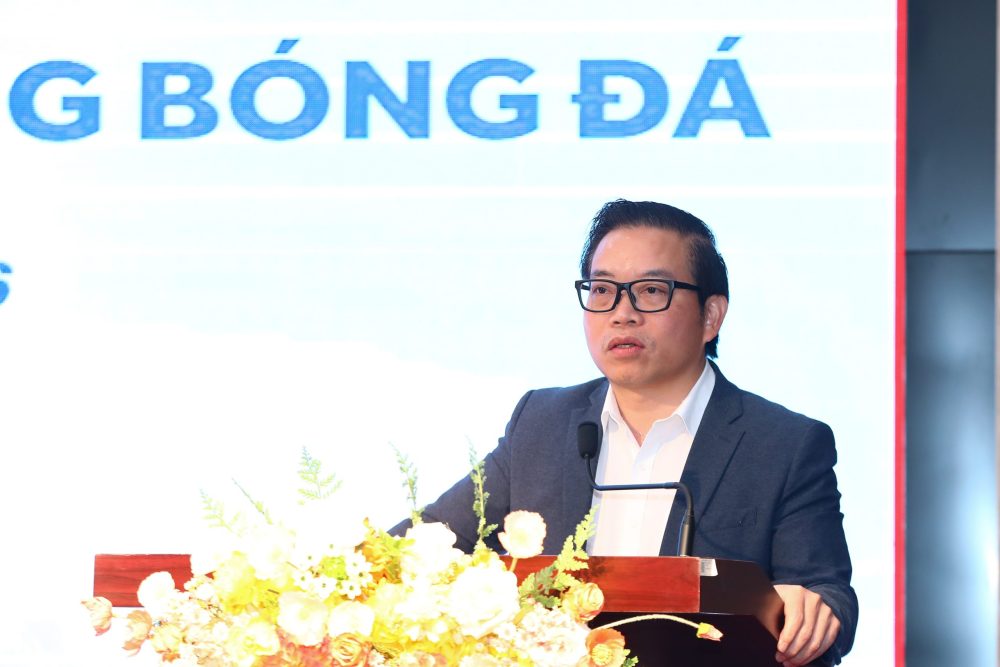
At the opening ceremony, Prof. Dr. Tran Trung Dung, Chief Executive Officer of the Vinmec Healthcare System and Head of the VFF Sports Medicine Committee, emphasized that sports medicine is a fundamental pillar behind the success of Vietnamese sport, particularly football. He noted that the achievements of national teams and athletes are not only the result of quality coaching, but also of a comprehensive support system encompassing medical care, nutrition, rehabilitation, and sports science.
Against the backdrop of the rapid development of Vietnamese football, Prof. Dr. Tran Trung Dung stressed that sports medicine plays a crucial role in injury prevention, accelerating recovery, helping players return to competition more quickly, and enhancing performance through individualized, science-based training methods.
He added that the course provides an important platform for participants to stay up to date with the latest advances in sports medicine, treatment and rehabilitation technologies, while also strengthening their knowledge of anti-doping measures and the relevant legal regulations. This helps doctors, coaches, and athletes minimize mistakes caused by insufficient awareness or understanding.
Another key objective of the program is to build a professional network among sports medicine practitioners, fostering closer collaboration in athlete care and support—initially within Vietnam, with the long-term goal of expanding international cooperation.
Through the partnership between the Vinmec Healthcare System and the Vietnam Football Federation (VFF), the course not only enhances the professional capabilities of football medical personnel but also contributes to the development of a modern sports medicine ecosystem, supporting the sustainable growth of both Vietnamese football and sport as a whole.
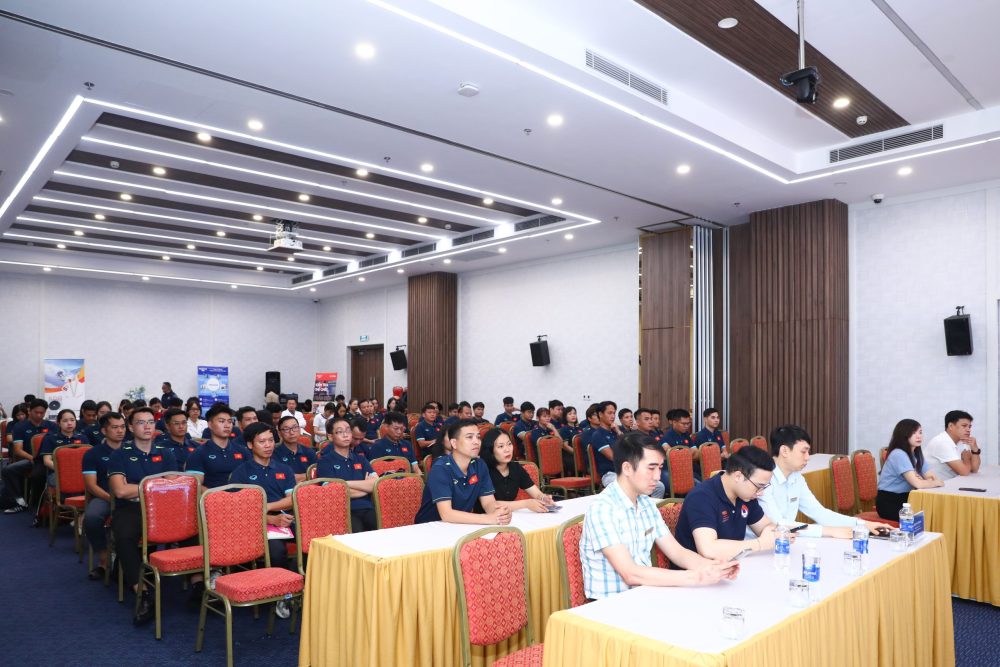
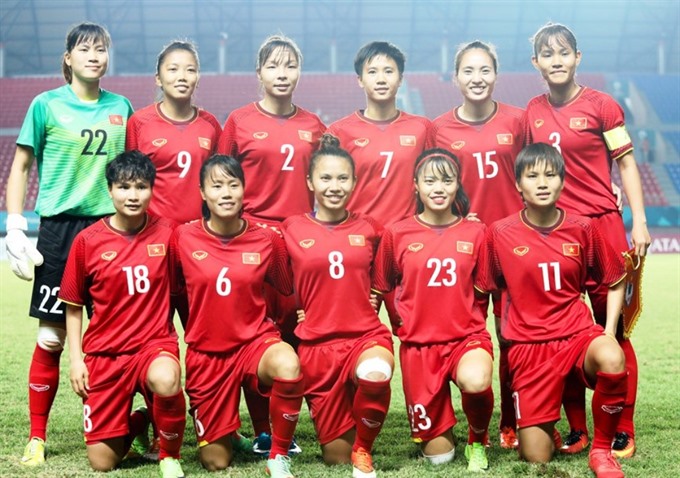
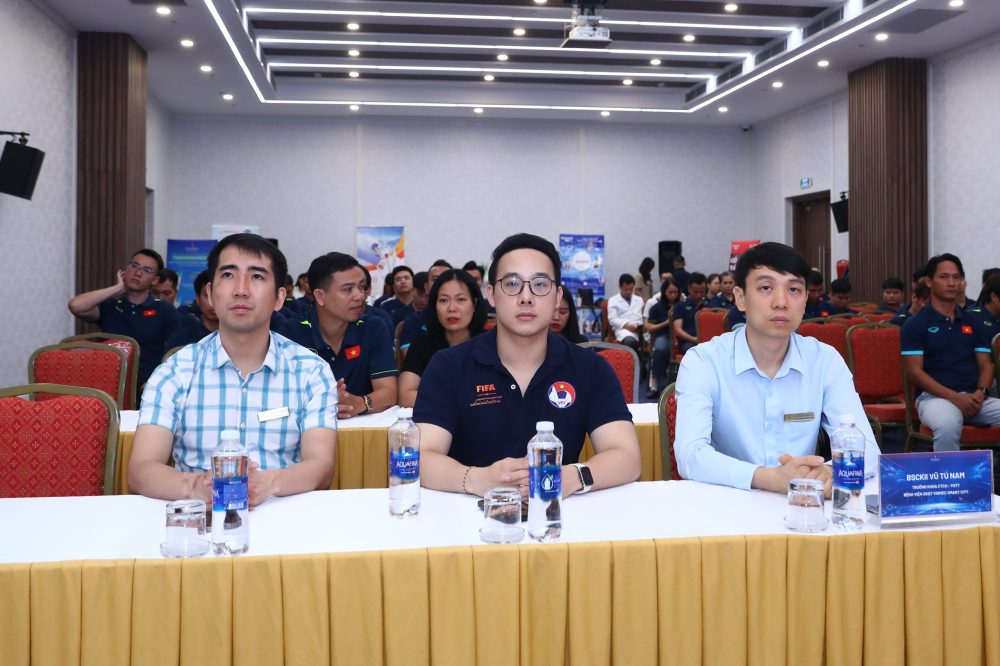
The course attracted more than 100 participants, including medical personnel from Vietnam’s national football teams; clubs competing in the National Championship and National First Division; professional football academies; National Sports Training Centers; the Vinmec Healthcare System; hospitals within the national sports medicine network; medical service providers supporting the national teams; as well as First Division, Second Division, futsal, and women’s football clubs. Coaches of the Vietnam women’s youth national teams (U15 and U17) also attended the anti-doping sessions as part of the program.
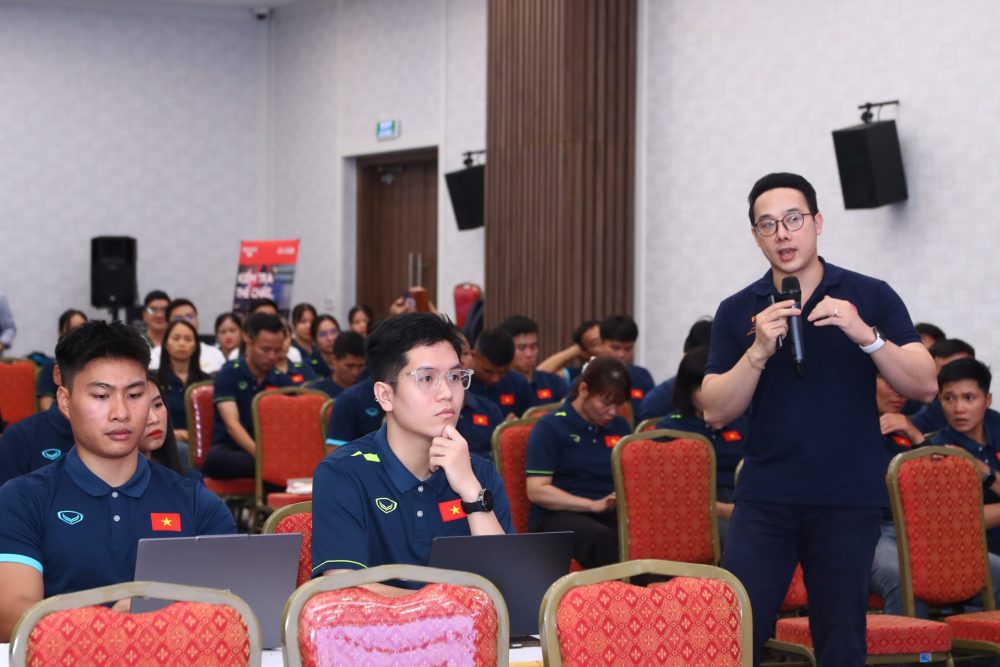
Over the two-day course, participants received in-depth and up-to-date training in sports medicine through a comprehensive program covering a wide range of key topics. These included the pathophysiology, diagnosis, and treatment principles of overuse injuries; therapeutic exercises for patellofemoral pain; overuse-related spinal disorders in athletes and their rehabilitation; the causes and management of groin pain; groin rehabilitation and strengthening; tibial overuse injuries; the application of biological therapies in sports medicine; the physiological foundations of physical conditioning; athlete performance assessment and intervention strategies; the role of medical evaluation in player transfers; and the criteria for a safe return to play following lower-limb injuries.
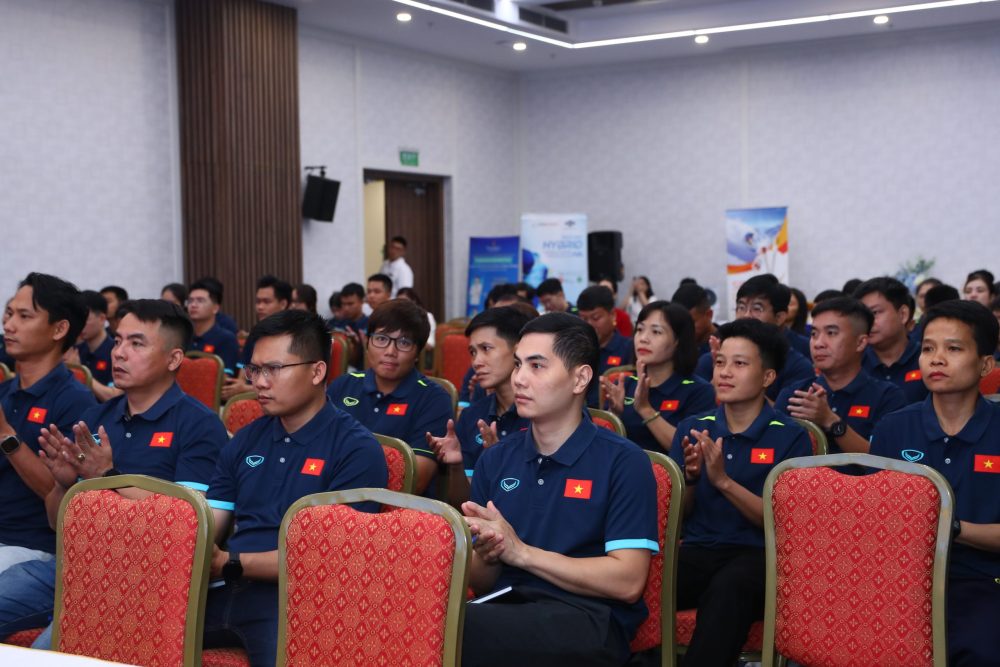
In addition to the theoretical sessions, participants also took part in practical training, including athlete physical performance assessments and the development of individualized rehabilitation and training programs. A key highlight of the course was the Anti-Doping module, which provided updates on the latest anti-doping regulations while strengthening the awareness and responsibilities of medical personnel and coaches in fostering a professional, transparent football environment free from doping.
Through this course, the Vietnam Football Federation (VFF) aims to further enhance the professional expertise of medical staff working with national teams and football clubs, while strengthening healthcare services, injury prevention, and anti-doping measures. These efforts are expected to contribute to improving the overall standard of Vietnamese football and supporting its sustainable long-term development.